Is Your Gut Affecting Your Skin?
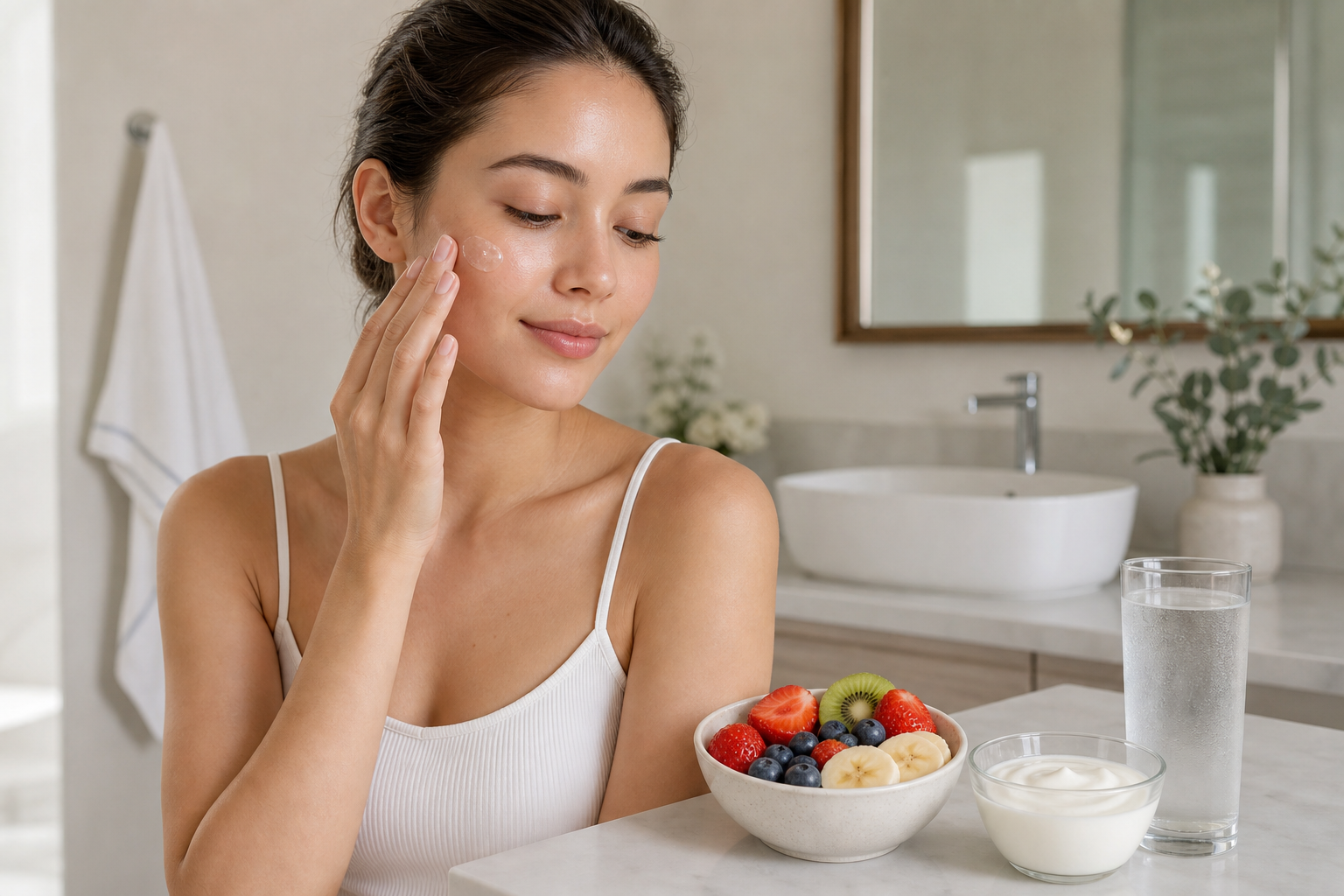
Is Your Gut Affecting Your Skin?
Exploring the Skin–Gut Health Connection
For years, skin concerns were blamed on hormones, oily skin and, perhaps unfairly, chocolate. But today, scientists are uncovering another fascinating piece of the puzzle: the health of your gut.
While skincare routines remain an important part of supporting clearer-looking skin, growing research suggests that what happens inside your digestive system may also influence what appears on your skin. This relationship, often referred to as the gut-skin axis, highlights the close connection between the gut microbiome, immune function and skin health.
Could supporting your gut also support clearer skin? Here's what the science tells us.
What Is the Gut Microbiome?
Your digestive tract is home to trillions of microorganisms—including bacteria, fungi and other microbes—collectively known as the gut microbiome.
Far from being harmful, many of these microorganisms are essential for good health. They help digest food, produce certain vitamins, support the immune system and strengthen the protective barrier of the gut lining.
In fact, around 70% of the body's immune cells are associated with the gut, making it one of the body's most important centres for immune regulation.
When the gut microbiome is balanced and diverse, it helps maintain normal digestive function and supports overall wellbeing. However, when this balance is disrupted—a condition known as gut dysbiosis—it may affect overall wellbeing throughout the body.
The Gut-Skin Axis
More Than Skin Deep
Your skin and gut are in constant communication.
Researchers now believe that changes in the gut microbiome may influence the skin through several interconnected pathways, including immune function and the production of metabolites that circulate throughout the body.
Although skin concerns can be influenced by hormones, genetics, excess oil production and bacteria on the skin, skin balance is shaped by many factors.
Because the gut plays such an important role in supporting normal immune function, scientists are increasingly investigating whether gut health could also affect overall skin appearance.
While more high-quality clinical studies are still needed, early findings suggest that maintaining a healthy gut microbiome may be one factor that supports healthy skin.
Can Poor Gut Health Affect Skin Appearance?
There isn't a simple yes-or-no answer.
Skin concerns are rarely caused by a single factor, and digestive symptoms do not necessarily mean someone will develop visible skin issues. However, some research has found differences in the gut microbiome of people with skin concerns compared with those who have clearer skin.
Scientists are exploring whether reduced microbial diversity and gut dysbiosis may influence overall skin balance in some individuals.
Stress also adds another layer to the picture.
Periods of stress can affect both the gut and the skin simultaneously. Stress may alter the balance of the gut microbiome while also increasing hormones that stimulate oil production in the skin, creating conditions that may contribute to breakouts.
Rather than thinking of skin concerns as simply a skin problem, experts increasingly view them as influenced by multiple systems throughout the body.
Can Probiotics Help?
Probiotics are live beneficial microorganisms that help support the natural balance of bacteria within the digestive system.
Although probiotics are not a direct solution for skin concerns, emerging research suggests they may support skin health indirectly by helping maintain a balanced gut microbiome and supporting normal immune function.
Some studies have reported improvements in skin appearance when probiotics are used alongside conventional skincare approaches, but the evidence is still developing and varies depending on the probiotic strains studied.
What we do know is that supporting gut health is beneficial for overall wellbeing, making probiotics an increasingly popular addition to a healthy lifestyle.
Supporting Healthy Skin Starts From Within
Beautiful skin isn't created by skincare products alone. Daily lifestyle habits can have a significant impact on both gut and skin health.
Simple habits that support a healthy gut include:
Eating a colourful diet rich in vegetables, fruit, whole grains and legumes.
Including fibre-rich foods that nourish beneficial gut bacteria.
Eating fermented foods such as yoghurt, kefir, kimchi and sauerkraut.
Drinking enough water throughout the day.
Managing stress through exercise, mindfulness or relaxation techniques.
Prioritising seven to nine hours of quality sleep each night.
Exercising regularly to support overall health.
Avoiding unnecessary antibiotic use whenever possible.
These habits not only support your digestive system but may also contribute to healthier-looking skin over time.
Where Does Maxilin Probiotic Fit In?
If you're looking to support your gut health, Maxilin Probiotic can be a convenient addition to your daily wellness routine.
Formulated with multiple carefully selected probiotic strains, Maxilin Probiotic is designed to help maintain a healthy balance of beneficial bacteria within the digestive system.
Supporting a healthy gut microbiome may contribute to normal digestive function, immune health and overall wellbeing. While no probiotic should be viewed as a direct solution for skin concerns, maintaining a balanced gut microbiome is one part of a holistic approach to supporting healthy skin.
When combined with a nutritious diet, appropriate skincare, regular exercise and healthy lifestyle habits, probiotics may help create an internal environment that supports overall wellness—including your skin.
Healthy Skin Is About the Whole Picture
Clear skin rarely comes from a single product or one remarkable ingredient. Instead, it's often the result of consistent care, healthy habits and addressing the factors that influence your body from the inside out.
The emerging science of the gut-skin axis reminds us that our digestive health and skin health are closely connected. Although research into probiotics and skin appearance continues to evolve, looking after your gut is a positive step that benefits far more than just your digestion.
So, while your cleanser and moisturiser still deserve a place on your bathroom shelf, don't forget to give your gut a little attention too. Healthy skin may begin with healthy habits—and that journey could start in your microbiome.
For more information Get In Touch
Share this article
Related articles
Ons Verhaal
Ons Verhaal Ontdek de wetenschap en het erfgoed achter MaXilin Probiotic. Een Erfenis van Wetenschappelijke Excellentie MaXilin Probiotic is het resultaat van t...
by Simone MacGriannaHikâyemiz
Hikâyemiz MaXilin Probiotic'in bilimsel geçmişini ve ürün geliştirme yaklaşımını keşfedin. Bilimsel Araştırmalardan İlham Alan Bir Yaklaşım MaXilin Probiotic, p...
by Simone MacGriannaMaxiin Super Probiotic
How It Works Discover the science behind MaXilin Probiotic Your Journey to Better Gut Health What to expect when taking MaXilin Week 1 Initial Adjustment Your b...
by Simone MacGrianna