Gut Health: Could Maxilin Super Probiotic Help?
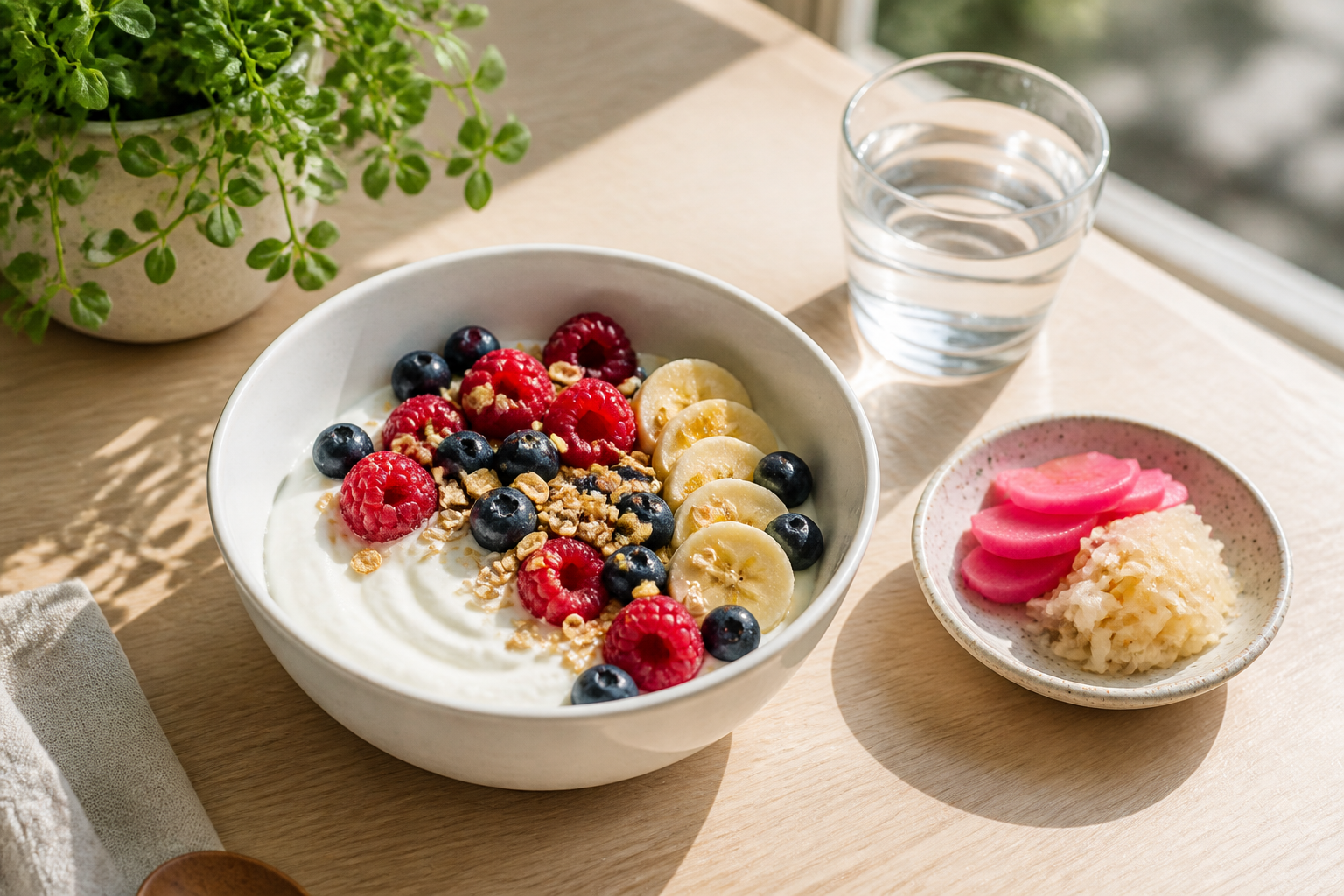
Gut Health: Could Maxilin Super Probiotic Help?
Digestive discomfort can be painful and disruptive. It occurs when small pouches, known as diverticula, that develop in the wall of the colon become irritated. Symptoms can include abdominal pain—often on the lower left side—irregularity, nausea, vomiting, fever and chills. In some cases, this can lead to complications requiring hospital management approaches.
For people who have experienced digestive discomfort or ongoing digestive problems, supporting general gut health can therefore become an important part of their overall wellbeing. This is where probiotics, including Maxilin Super Probiotic, may be of interest.
What Is Gut Discomfort?
Diverticulosis refers to the presence of small pouches in the colon. Most people with diverticulosis do not develop problems, but occasionally these pouches can become irritated, resulting in digestive discomfort.
It is important to distinguish between managing an acute episode of digestive discomfort and supporting digestive health between episodes. During an acute episode, medical advice should always take priority. Depending on the severity, management approaches can include dietary changes, pain relief, antibiotics in some circumstances, or hospital care. Complications such as an abscess, intestinal obstruction, perforation or peritonitis require medical attention.
A probiotic should therefore never be considered a substitute for management approaches prescribed by a doctor.
The Importance of Gut Health
The digestive tract contains trillions of microorganisms that make up the gut microbiome. Maintaining a healthy and diverse gut environment is an area of increasing interest, particularly for people experiencing digestive symptoms.
Diet is an important part of maintaining digestive health. For people with diverticular concerns or a previous episode of digestive discomfort, healthcare professionals may recommend increasing dietary fibre, depending on the individual's circumstances. Research suggests that a diet low in fibre and high in red meat may be associated with greater digestive discomfort.
Fibre should generally be increased gradually if it is recommended, as suddenly making large dietary changes can itself cause bloating and discomfort.
Where Do Probiotics Fit In?
Probiotics are live microorganisms that can be consumed through certain foods or supplements. Some research has investigated whether probiotics may support people with digestive symptoms, although the evidence varies considerably depending on the particular probiotic strain, dose and condition being studied.
The National Institute of Digestive and Kidney Health notes that probiotics may be used for some chronic symptoms associated with diverticular concerns, but also advises people to speak with their doctor before using probiotics or other complementary approaches.
This distinction is important: there is currently no basis for claiming that a probiotic such as Maxilin can support this digestive discomfort or replace conventional medical management approaches.
What Is Maxilin Super Probiotic?
According to Maxilin's product information, Maxilin Super Probiotic contains three probiotic microorganisms: Lactobacillus acidophilus, Streptococcus thermophilus and Lactobacillus helveticus. Each sachet provides a stated total of 20 billion CFU.
The formulation also contains prebiotic fibres, including inulin and resistant dextrin, as well as vitamin C, vitamin E, B vitamins, calcium and magnesium.
The combination of probiotics and prebiotic fibre is sometimes described as a synbiotic-style approach. Probiotics provide live microorganisms, while prebiotic fibres can provide a source of nourishment for certain microorganisms in the gut.
Could Maxilin Help Support Gut Health?
For someone interested in maintaining general digestive wellbeing, Maxilin may be considered as one part of a broader gut-health routine.
Its probiotic and prebiotic ingredients may support the gut microbiome, but it is important not to overstate what the product can do. There is not enough evidence to say that Maxilin specifically supports flare-up reduction, reduces digestive irritation or supports management of complications.
Instead, think of it as potentially complementary to the fundamentals of digestive health: eating a varied diet appropriate for your individual needs, getting enough fibre when recommended, staying hydrated, exercising regularly and maintaining a healthy weight. These lifestyle factors are among those associated with better digestive wellbeing.
A Balanced Approach to Gut Health
If you have significant digestive discomfort, the most important step is getting appropriate medical advice, particularly if you develop significant or worsening abdominal pain, fever, vomiting or other concerning symptoms.
Once an acute episode has been assessed and supported, you can discuss longer-term digestive health with your GP or dietitian. This may include looking at your fibre intake, diet, lifestyle and whether a probiotic supplement is appropriate for you.
Maxilin Super Probiotic could potentially form part of that wider approach to gut wellbeing. However, it should be viewed as a food supplement rather than a management approach for digestive discomfort.
For anyone looking to support their digestive routine, the goal should not be a quick fix. A combination of appropriate medical care, a suitable diet, healthy lifestyle habits and—where appropriate—a carefully selected probiotic may offer a more sensible long-term approach to maintaining gut health.
Digestive discomfort can be painful and disruptive. It occurs when small pouches, known as diverticula, that develop in the wall of the colon become irritated. Symptoms can include abdominal pain—often on the lower left side—irregularity, nausea, vomiting, fever and chills. In some cases, this can lead to complications requiring hospital management approaches.
For people who have experienced digestive discomfort or ongoing digestive problems, supporting general gut health can therefore become an important part of their overall wellbeing. This is where probiotics, including Maxilin Super Probiotic, may be of interest.
What Is Gut Discomfort?
Diverticulosis refers to the presence of small pouches in the colon. Most people with diverticulosis do not develop problems, but occasionally these pouches can become irritated, resulting in digestive discomfort.
It is important to distinguish between managing an acute episode of digestive discomfort and supporting digestive health between episodes. During an acute episode, medical advice should always take priority. Depending on the severity, management approaches can include dietary changes, pain relief, antibiotics in some circumstances, or hospital care. Complications such as an abscess, intestinal obstruction, perforation or peritonitis require medical attention.
A probiotic should therefore never be considered a substitute for management approaches prescribed by a doctor.
The Importance of Gut Health
The digestive tract contains trillions of microorganisms that make up the gut microbiome. Maintaining a healthy and diverse gut environment is an area of increasing interest, particularly for people experiencing digestive symptoms.
Diet is an important part of maintaining digestive health. For people with diverticular concerns or a previous episode of digestive discomfort, healthcare professionals may recommend increasing dietary fibre, depending on the individual's circumstances. Research suggests that a diet low in fibre and high in red meat may be associated with greater digestive discomfort.
Fibre should generally be increased gradually if it is recommended, as suddenly making large dietary changes can itself cause bloating and discomfort.
Where Do Probiotics Fit In?
Probiotics are live microorganisms that can be consumed through certain foods or supplements. Some research has investigated whether probiotics may support people with digestive symptoms, although the evidence varies considerably depending on the particular probiotic strain, dose and condition being studied.
The National Institute of Digestive and Kidney Health notes that probiotics may be used for some chronic symptoms associated with diverticular concerns, but also advises people to speak with their doctor before using probiotics or other complementary approaches.
This distinction is important: there is currently no basis for claiming that a probiotic such as Maxilin can support this digestive discomfort or replace conventional medical management approaches.
What Is Maxilin Super Probiotic?
According to Maxilin's product information, Maxilin Super Probiotic contains three probiotic microorganisms: Lactobacillus acidophilus, Streptococcus thermophilus and Lactobacillus helveticus. Each sachet provides a stated total of 20 billion CFU.
The formulation also contains prebiotic fibres, including inulin and resistant dextrin, as well as vitamin C, vitamin E, B vitamins, calcium and magnesium.
The combination of probiotics and prebiotic fibre is sometimes described as a synbiotic-style approach. Probiotics provide live microorganisms, while prebiotic fibres can provide a source of nourishment for certain microorganisms in the gut.
Could Maxilin Help Support Gut Health?
For someone interested in maintaining general digestive wellbeing, Maxilin may be considered as one part of a broader gut-health routine.
Its probiotic and prebiotic ingredients may support the gut microbiome, but it is important not to overstate what the product can do. There is not enough evidence to say that Maxilin specifically supports flare-up reduction, reduces digestive irritation or supports management of complications.
Instead, think of it as potentially complementary to the fundamentals of digestive health: eating a varied diet appropriate for your individual needs, getting enough fibre when recommended, staying hydrated, exercising regularly and maintaining a healthy weight. These lifestyle factors are among those associated with better digestive wellbeing.
A Balanced Approach to Gut Health
If you have significant digestive discomfort, the most important step is getting appropriate medical advice, particularly if you develop significant or worsening abdominal pain, fever, vomiting or other concerning symptoms.
Once an acute episode has been assessed and supported, you can discuss longer-term digestive health with your GP or dietitian. This may include looking at your fibre intake, diet, lifestyle and whether a probiotic supplement is appropriate for you.
Maxilin Super Probiotic could potentially form part of that wider approach to gut wellbeing. However, it should be viewed as a food supplement rather than a management approach for digestive discomfort.
For anyone looking to support their digestive routine, the goal should not be a quick fix. A combination of appropriate medical care, a suitable diet, healthy lifestyle habits and—where appropriate—a carefully selected probiotic may offer a more sensible long-term approach to maintaining gut health.
For more information Get In Touch
Share this article
Related articles
Ons Verhaal
Ons Verhaal Ontdek de wetenschap en het erfgoed achter MaXilin Probiotic. Een Erfenis van Wetenschappelijke Excellentie MaXilin Probiotic is het resultaat van t...
by Simone MacGriannaHikâyemiz
Hikâyemiz MaXilin Probiotic'in bilimsel geçmişini ve ürün geliştirme yaklaşımını keşfedin. Bilimsel Araştırmalardan İlham Alan Bir Yaklaşım MaXilin Probiotic, p...
by Simone MacGriannaMaxiin Super Probiotic
How It Works Discover the science behind MaXilin Probiotic Your Journey to Better Gut Health What to expect when taking MaXilin Week 1 Initial Adjustment Your b...
by Simone MacGrianna